The COVID-19 pandemic reshaped healthcare delivery across the world, and dentistry was no exception. Dental professionals were challenged to balance infection control with the ongoing need for oral healthcare, leading to rapid and meaningful changes in how care is delivered. For patients in Council Bluffs, IA, understanding these adaptations provides valuable insight into modern dental safety standards and reinforces confidence in visiting dental offices today. Practices such as BlueJay Family Dental reflect a broader industry-wide commitment to patient safety, education, and continuity of care.
Enhanced Infection Control and Safety Protocols
Raising Standards for Cleanliness and Protection
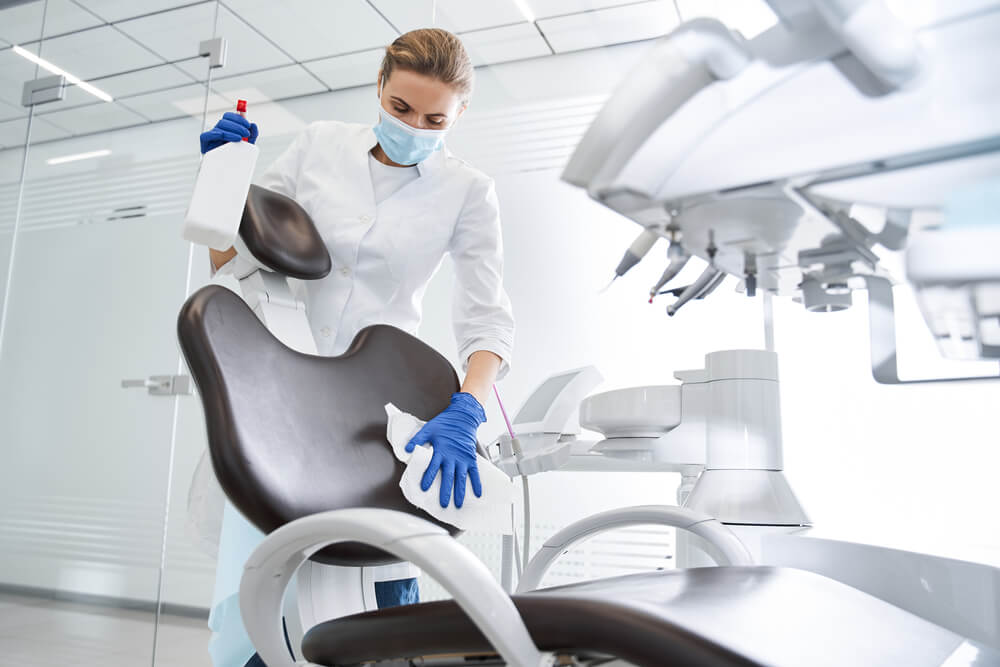
One of the most significant adaptations within the dental industry involved strengthening infection prevention protocols. Dental offices already followed strict sterilization standards prior to the pandemic, but COVID-19 prompted the addition of enhanced measures. These included expanded use of personal protective equipment, upgraded air filtration systems, and more rigorous disinfection routines between patients.
These changes were particularly important for procedures that generate aerosols, such as cavity fillings or root canal therapy. By improving ventilation, scheduling additional time between appointments, and using advanced protective barriers, dental professionals significantly reduced the risk of viral transmission. Many of these safety measures remain in place today, reflecting a long-term improvement in infection control practices.
Changes in Appointment Scheduling and Patient Flow
Reducing Exposure Through Operational Adjustments
To limit the number of people in dental offices at one time, many practices adjusted their scheduling processes. Staggered appointments, reduced waiting room use, and contactless check-in procedures became common. These changes helped maintain physical distancing while still allowing patients to receive essential dental care.
Patients experiencing urgent needs, such as dental emergencies or severe pain requiring tooth extractions, continued to receive priority care. The emphasis on careful scheduling ensured that necessary treatments were not delayed while minimizing unnecessary exposure. These operational changes improved efficiency and reshaped patient flow in ways that continue to benefit dental practices and patients alike.
Expansion of Teledentistry and Remote Consultations
Supporting Patients Beyond the Dental Chair
The pandemic accelerated the adoption of teledentistry as a valuable tool for patient communication and preliminary assessments. Virtual consultations allowed dental professionals to evaluate symptoms, provide guidance, and determine whether in-person treatment was necessary. This approach was especially helpful for follow-up discussions and initial evaluations related to concerns such as discomfort, swelling, or damaged restorations.
Teledentistry also supported patients managing ongoing treatments, including discussions about crowns and bridges or planning for future dental implants. While not a replacement for hands-on care, virtual consultations enhanced access to professional advice and strengthened patient education during periods of restricted in-person visits.
Prioritization of Preventive and Essential Dental Care
Addressing Delayed Treatment and Long-Term Oral Health
During early stages of the pandemic, many patients postponed routine dental visits, leading to an increased focus on preventive care once offices fully reopened. Dental professionals emphasized early detection and management of oral health issues to prevent minor concerns from becoming complex problems requiring extensive treatment.
Restorative services such as cavity fillings, full and partial dentures, and root canal therapy became essential in addressing the effects of delayed care. The industry’s response highlighted the importance of preventive dentistry and reinforced the role of consistent dental visits in maintaining overall health, even during public health challenges.
Patient Education and Communication Improvements
Building Trust Through Transparency
Clear communication became a critical component of dental care during the pandemic. Dental professionals prioritized educating patients about new safety measures, treatment modifications, and what to expect during appointments. This transparency helped alleviate anxiety and encouraged patients to return for necessary care.
Educational efforts also expanded to include guidance on at-home oral hygiene and recognizing signs that require professional attention. Improved communication strategies strengthened the patient-provider relationship and ensured individuals felt informed and supported throughout uncertain times.
Lasting Impacts on the Future of Dentistry
The adaptations made during the COVID-19 pandemic have had a lasting influence on the dental industry. Enhanced safety protocols, improved scheduling efficiency, expanded use of technology, and stronger patient education practices continue to shape modern dental care. For patients in Council Bluffs, IA, these changes contribute to safer, more accessible experiences. BlueJay Family Dental reflects these industry-wide advancements, reinforcing the importance of adaptability and patient-centered care as dentistry continues to evolve.
Resources
American Dental Association. (2022). COVID-19 and Dental Practice Safety Guidelines. Journal of the American Dental Association.
Centers for Disease Control and Prevention. (2023). Guidance for Dental Settings. CDC.
National Institute of Dental and Craniofacial Research. (2023). Oral Health Care During Public Health Emergencies. NIDCR.