
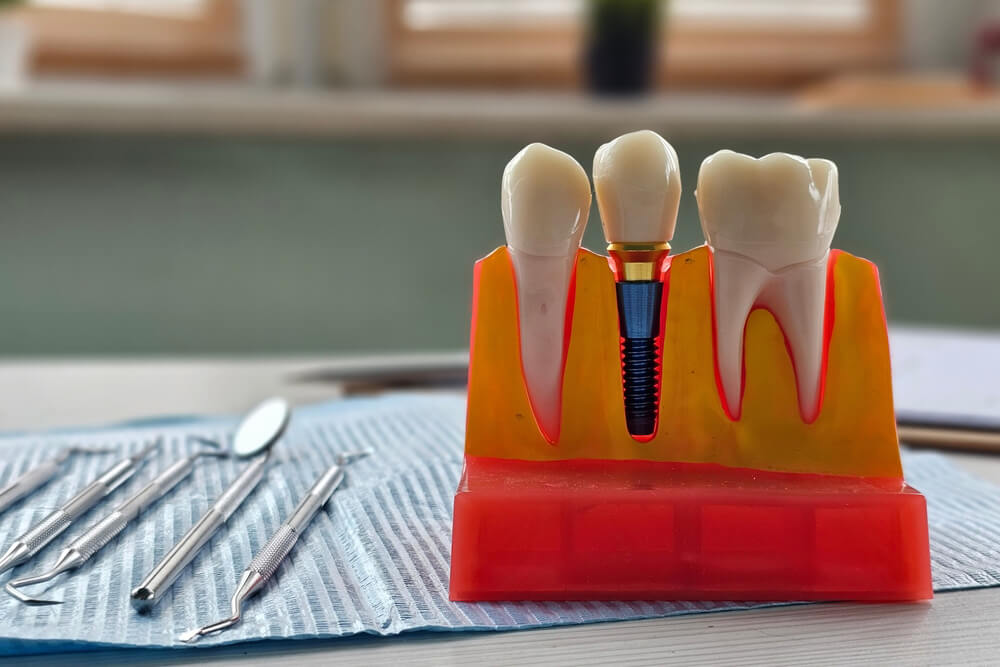
Dental implants are a long-term solution for replacing missing teeth, designed to look and function like natural teeth while supporting overall oral health. Proper care plays a major role in ensuring their longevity, comfort, and stability over time. At BlueJay Family Dental, located in Council Bluffs, IA, Steven Fidone, DDS, often emphasizes that implant success depends just as much on daily maintenance as it does on the procedure itself.
Although implants are resistant to decay, the surrounding gums and bone remain vulnerable to infection and inflammation if not properly cared for. This makes consistent oral hygiene and routine dental visits essential for long-term success. Patients who understand how to maintain their implants are more likely to enjoy durable, natural-looking results that can last for many years. For those exploring treatment options, more information about the procedure can be found here: Dental Implants.
Daily Hygiene Practices for Implant Longevity
Maintaining dental implants requires a commitment to thorough daily oral hygiene. While implants cannot develop cavities like natural teeth, plaque and bacteria can still accumulate around the gumline and lead to peri-implant disease if neglected. Brushing at least twice a day with a soft-bristled toothbrush helps remove debris without damaging the surrounding tissue.
Flossing is equally important, as it helps clean tight spaces between teeth and around implant-supported restorations. Many patients benefit from using specialized floss or interdental brushes designed to navigate around implants more effectively. Incorporating an antimicrobial mouth rinse can also help reduce bacterial buildup and promote healthier gums.
- Brush gently twice daily using a soft-bristled toothbrush
- Floss or use interdental cleaners around the implant daily
- Use a non-alcoholic antibacterial mouth rinse
- Avoid abrasive toothpaste that can irritate gum tissue
Consistent hygiene habits help protect the implant site and ensure the surrounding gum tissue remains healthy and stable. Over time, these routines become essential in preventing complications that could compromise the implant’s integrity.
Lifestyle Habits That Affect Implant Health
Lifestyle choices play a significant role in the long-term success of dental implants. Smoking, for example, can reduce blood flow to the gums and slow healing, increasing the risk of implant failure. Similarly, excessive alcohol consumption may interfere with oral tissue health and overall immune response, making it harder for the body to maintain strong gum support around the implant.
Diet is another important factor. Hard or sticky foods can place unnecessary stress on implants and surrounding teeth, especially during the healing phase. A balanced diet rich in vitamins and minerals supports gum health and bone strength, both of which are essential for implant stability.
Patients should also be mindful of habits such as teeth grinding, which can place excessive pressure on implants. In some cases, a custom night guard may be recommended to protect both natural teeth and implant restorations from damage caused by clenching or grinding during sleep.
Professional Maintenance and Regular Checkups
Routine dental visits are essential for monitoring implant health and ensuring that surrounding tissues remain free from infection. Professional cleanings allow dental providers to remove hardened plaque buildup that cannot be eliminated through at-home care alone. These visits also provide an opportunity to evaluate the stability of the implant and check for early signs of complications.
At BlueJay Family Dental, patients in Council Bluffs, IA are encouraged to maintain consistent checkups so that any potential issues can be addressed early. Preventive care is far more effective than corrective treatment, especially when it comes to preserving implant longevity. In some cases, surrounding restorations such as crowns may also require evaluation or adjustment over time, which can be supported through services like Crowns and Bridges.
Warning Signs and When to Act
While dental implants are highly durable, certain symptoms may indicate a developing issue that requires prompt attention. Redness, swelling, bleeding around the gums, or discomfort near the implant site should not be ignored. These signs may suggest inflammation or infection that needs professional evaluation.
Other warning signs include difficulty chewing, a feeling of looseness in the implant area, or persistent bad breath that does not improve with oral hygiene. Early intervention is key to preventing more serious complications. In urgent situations involving pain or sudden changes in oral health, patients may benefit from seeking care through Dental Emergencies.
Conclusion
Proper care of dental implants requires a combination of daily hygiene, healthy lifestyle choices, and consistent professional oversight. When these elements work together, implants can provide long-lasting function and a natural appearance that supports overall oral health. BlueJay Family Dental in Council Bluffs, IA, along with Steven Fidone, DDS, remains committed to helping patients understand how to protect and maintain their dental implants for years to come.
Resources
Misch, C. E. (2015). Dental Implant Prosthetics. Elsevier.
Berglundh, T., et al. (2018). Peri-implant diseases and conditions: Consensus report. Journal of Clinical Periodontology.
American Academy of Periodontology. (2020). Maintenance of dental implants and peri-implant health.