
Oral health can change significantly during pregnancy due to hormonal fluctuations that affect the gums, saliva production, and the body’s immune response. These changes can make expectant mothers more vulnerable to gum inflammation, bleeding, and plaque buildup even when maintaining regular brushing and flossing habits. Understanding these shifts is important for preventing complications that may impact both maternal comfort and overall health.
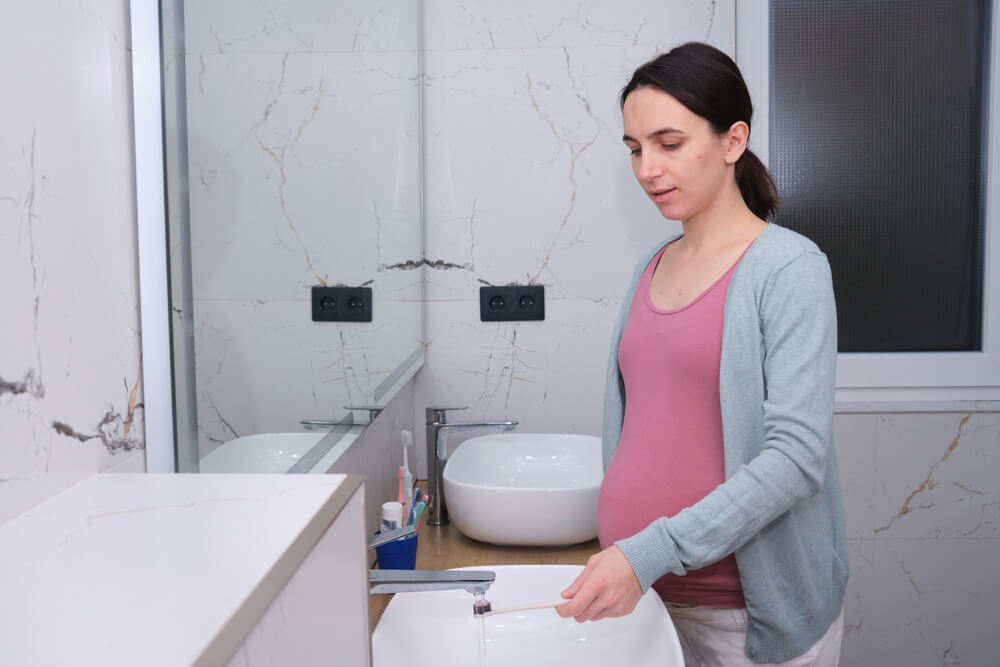
One of the most common conditions during pregnancy is pregnancy gingivitis, which occurs when gums become swollen, tender, or prone to bleeding. Increased progesterone levels can exaggerate the body’s response to plaque, making routine oral care more critical than ever. In some cases, untreated gingivitis can progress into more serious periodontal disease, which has been associated in research with pregnancy complications. Maintaining consistent dental visits and proper home care helps reduce these risks and supports a healthier pregnancy experience.
It is also important to recognize that dietary changes and morning sickness can contribute to enamel erosion and increased cavity risk. Frequent snacking, cravings for sugary foods, and stomach acid exposure from nausea or vomiting can weaken tooth enamel over time. These factors highlight the importance of preventive dental care and early intervention when symptoms arise.
Common Dental Concerns and Treatment Considerations During Pregnancy
During pregnancy, certain dental issues may become more noticeable or require timely treatment to avoid worsening discomfort or infection. Cavities are one of the most common concerns, as changes in diet and oral environment can accelerate decay. When decay is caught early, it can often be managed with conservative care such as Cavity Fillings, which help restore tooth structure and prevent further damage.
In situations where infection develops or tooth pain becomes severe, more advanced treatment may be necessary. Dental infections should never be ignored during pregnancy, as they can affect overall health if left untreated. Procedures such as Root Canal therapy may be recommended to preserve the natural tooth while eliminating infection and relieving pain. In urgent cases, prompt evaluation through Dental Emergencies care is essential to ensure both maternal and fetal well-being.
There are also instances where a tooth may become too damaged to restore, requiring removal to prevent further complications. When necessary, Tooth Extractions may be considered as a safe and effective solution during pregnancy, particularly when infection or severe decay is present. Dental professionals carefully evaluate timing and treatment methods to ensure procedures are performed safely during appropriate stages of pregnancy.
Safe Oral Care Practices and Prevention Strategies
Maintaining strong oral hygiene habits during pregnancy is one of the most effective ways to reduce dental complications. Brushing at least twice daily with fluoride toothpaste and flossing regularly helps control plaque buildup and protect gum health. Using a soft-bristled toothbrush can also reduce irritation for sensitive gums.
Preventive dental visits remain important throughout pregnancy, as professional cleanings help remove plaque and tartar that cannot be eliminated at home. These visits also allow dental professionals to monitor changes and address concerns early before they develop into more serious conditions. Dr. Steven Fidone emphasizes the importance of proactive care to support both oral and overall health during this important stage of life.
Additional preventive steps include:
- Rinsing with water after morning sickness episodes to neutralize stomach acids
- Eating balanced meals rich in calcium and vitamins to support enamel strength
- Limiting sugary snacks and beverages to reduce cavity risk
- Staying hydrated to support saliva production and oral health balance
It is also helpful for expectant mothers to communicate openly with their dental provider about their pregnancy stage and any symptoms they may be experiencing. This ensures that care is tailored appropriately and safely throughout each trimester.
Oral health plays an important role in overall wellness during pregnancy, and early attention to changes can make a meaningful difference in comfort and long-term outcomes. BlueJay Family Dental in Council Bluffs, IA remains committed to supporting patients through every stage of pregnancy with thoughtful, informed dental care.
Resources
American Dental Association. (2023). Pregnancy and oral health care guidelines.
American College of Obstetricians and Gynecologists. (2022). Oral health during pregnancy and the postpartum period.
Centers for Disease Control and Prevention. (2024). Pregnancy and oral health information.