
Fluoride is a naturally occurring mineral found in water, soil, and certain foods. It has been widely studied for decades due to its role in strengthening tooth enamel and helping prevent tooth decay. In community water supplies and oral care products, fluoride is used in controlled amounts to support better dental health outcomes across all age groups. At BlueJay Family Dental in Council Bluffs, IA, patients often ask Steven Fidone, DDS, about whether fluoride is truly necessary and how it fits into a modern oral care routine.
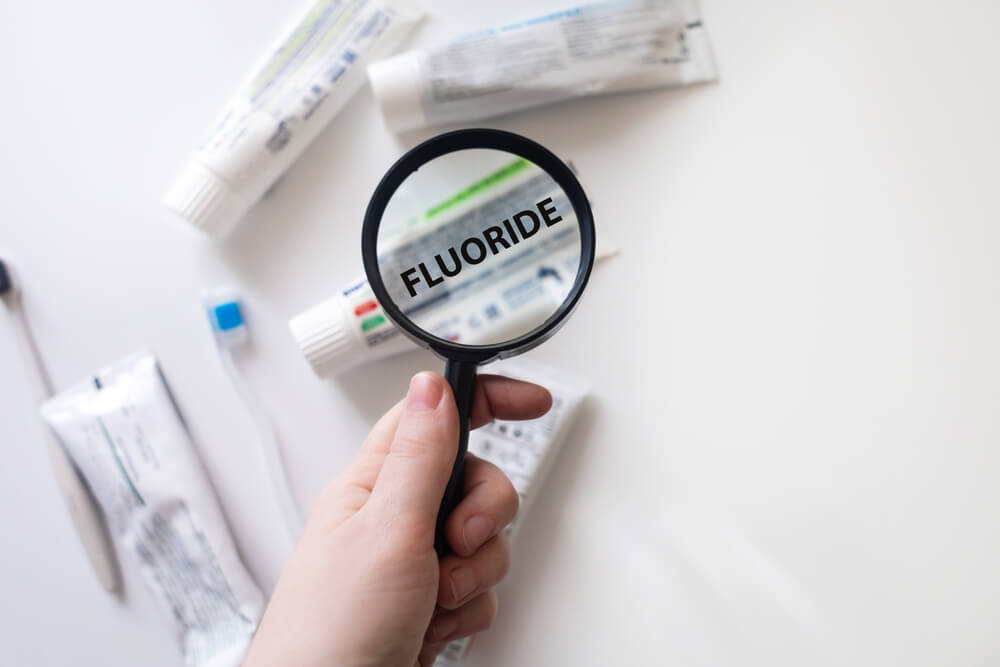
The primary reason fluoride is so commonly recommended is because it interacts directly with the outer layer of the teeth, helping to rebuild weakened enamel through a process called remineralization. This is especially important because enamel is constantly exposed to acids from food, beverages, and bacteria. Over time, these acids can break down enamel and create an environment where cavities are more likely to form.
How Fluoride Protects Teeth From Decay
Fluoride works in two main ways: it strengthens existing enamel and helps slow down or even reverse early stages of tooth decay. When fluoride is present in the mouth, it becomes incorporated into the tooth structure, making it more resistant to acid attacks. This reduces the likelihood of cavities forming and helps preserve natural teeth for longer periods of time.
By reducing the risk of decay, fluoride indirectly decreases the need for restorative procedures such as Cavity Fillings, which are often required when enamel breakdown progresses. While fillings remain an important solution for repairing damaged teeth, prevention through fluoride use is a key strategy in maintaining long-term oral health. Fluoride can be found in toothpaste, mouth rinses, and professionally applied treatments during dental visits, making it an accessible tool for most patients.
Fluoride Safety, Myths, and Concerns
Despite its widespread use, fluoride has been the subject of debate and misinformation. One common concern is whether fluoride is safe for long-term use. Extensive research from dental and medical organizations has shown that fluoride is safe when used at recommended levels in water supplies and oral care products. The key factor is dosage, as fluoride provides benefits in small, controlled amounts but can cause issues if consumed excessively over time.
A condition known as dental fluorosis can occur if children consume too much fluoride while teeth are still developing. This typically results in mild white streaks or spots on the enamel and is primarily a cosmetic concern rather than a health risk. Another misconception is that fluoride is unnecessary if someone brushes and flosses regularly; however, even strong oral hygiene habits benefit from the added protection fluoride provides against acid erosion and bacterial activity.
Everyday Ways to Use Fluoride Effectively
Fluoride can be incorporated into daily routines in simple and effective ways. Most people already receive fluoride through toothpaste and, in many communities, through drinking water. However, using it correctly is important to maximize its benefits without overuse.
- Brush twice daily with fluoride toothpaste, allowing it to sit on teeth before rinsing
- Use fluoride mouth rinses if recommended for added protection against decay
- Drink fluoridated water when available to support continuous low-level exposure
- Limit frequent snacking on sugary foods that increase acid attacks on enamel
- Maintain regular dental visits for professional fluoride applications when needed
These habits work together to strengthen enamel and reduce the likelihood of developing cavities over time.
The Role of Professional Dental Guidance in Fluoride Use
While fluoride is widely available, individual needs can vary depending on age, oral health status, and risk factors for decay. Professional guidance helps ensure that fluoride use is tailored appropriately, especially for children, seniors, and individuals with higher cavity risk. Dental professionals can assess whether additional fluoride treatments or adjustments in daily care are beneficial.
Understanding how fluoride fits into a broader oral health plan helps patients make informed decisions and avoid unnecessary concerns. When used properly, fluoride remains one of the most effective tools for preventing tooth decay and supporting lifelong dental health. BlueJay Family Dental in Council Bluffs, IA, with Steven Fidone, DDS, provides education and care to help patients confidently manage their fluoride use as part of a complete oral health routine.
Sources
Featherstone, J. D. B. (2000). The science and practice of caries prevention. Journal of the American Dental Association.
Centers for Disease Control and Prevention. (2022). Community water fluoridation.
American Dental Association. (2023). Fluoride in dentistry: Clinical recommendations and safety overview.