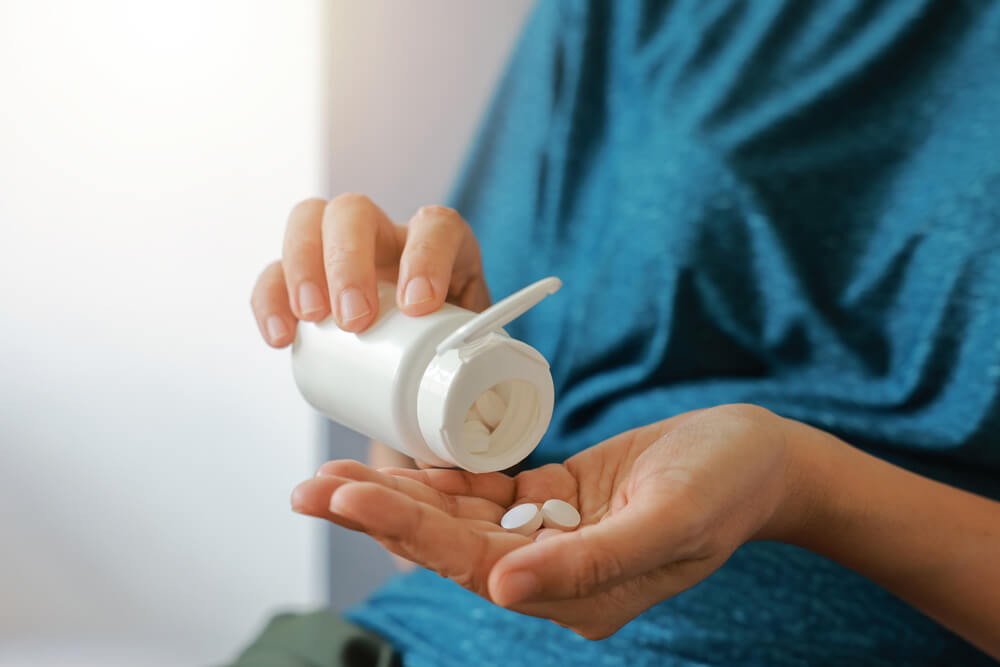
Medications can play an important role in managing overall health, but many people are unaware that they can also have significant effects on the mouth and teeth. At BlueJay Family Dental in Council Bluffs, IA, Dr. Steven Fidone often educates patients on how prescription and over-the-counter medications may influence saliva production, gum health, and the natural balance of bacteria in the mouth. These changes can occur gradually, making them easy to overlook until symptoms become more noticeable.

One of the most common effects is dry mouth, also known as xerostomia, which occurs when medications reduce saliva flow. Saliva is essential for neutralizing acids, washing away food particles, and protecting tooth enamel. When saliva levels drop, the risk of cavities, bad breath, and gum irritation increases. In some cases, medications may also alter the immune response in gum tissue, making it easier for inflammation to develop even with consistent oral hygiene habits.
Another way medications impact oral health is by changing the oral microbiome, the natural balance of bacteria in the mouth. When this balance is disrupted, harmful bacteria can thrive more easily, increasing the likelihood of decay or infection. Over time, these changes may contribute to more complex dental concerns that require professional care to manage effectively.
Common Oral Side Effects of Medications
Many types of medications can lead to noticeable changes in oral health, and understanding these side effects can help patients take preventive action early. Some drugs used to treat high blood pressure, seizures, or immune conditions may cause gum overgrowth, where gum tissue becomes enlarged and more difficult to clean. Other medications, such as certain antibiotics, may contribute to tooth discoloration, especially if taken during early tooth development.
In addition to gum and enamel changes, medications can also increase sensitivity or discomfort in the mouth. Dry mouth is particularly common and may lead to an increased risk of cavities, which can sometimes require Cavity Fillings if decay develops. In more severe cases, untreated decay or infection may progress deeper into the tooth, potentially requiring treatments such as Root Canal therapy to save the affected tooth.
Some medications may also contribute to teeth grinding (bruxism) or mouth sores, which can lead to jaw pain and enamel wear. If these issues become severe or lead to sudden discomfort, patients may need urgent evaluation through Dental Emergencies care. In extreme cases where damage becomes irreversible, removal of the tooth through Tooth Extractions may be necessary to protect overall oral health.
Protecting Your Teeth While Taking Medications
Even if medications affect oral health, there are many ways to reduce risks and maintain a healthy smile. Staying hydrated is one of the simplest and most effective strategies for combating dry mouth. Drinking water regularly helps stimulate saliva flow and wash away bacteria that can contribute to decay. Using sugar-free gum or lozenges can also encourage saliva production and provide temporary relief from dryness.
Maintaining strong oral hygiene habits is especially important for individuals taking medications that affect the mouth. Brushing twice daily with fluoride toothpaste and flossing once a day helps protect enamel and reduce plaque buildup. Regular dental visits allow for early detection of changes, ensuring that potential concerns are addressed before they become more serious.
Preventive care may also include additional treatments such as fluoride applications or sealants when risk for decay is higher. When early signs of decay are identified, timely intervention with treatments like Cavity Fillings can help prevent more extensive damage. Patients should also inform their dental provider about all medications they are taking so care can be tailored appropriately.
Medications are an important part of overall health management, but their effects on the mouth should not be overlooked. With proper awareness and preventive care, patients can significantly reduce the risk of complications and maintain long-term oral health. BlueJay Family Dental in Council Bluffs, IA, and Dr. Steven Fidone are committed to helping patients navigate these challenges with personalized, informed dental care.
Resources
Sreebny, L. M., & Schwartz, S. S. (1997). A reference guide to drugs and dry mouth. Gerodontology.
American Dental Association. (2023). Medications and dry mouth: Oral health effects.
National Institute of Dental and Craniofacial Research. (2024). Oral complications of medications.