
Root canal treatment is one of the most commonly misunderstood dental procedures, yet it plays an essential role in saving natural teeth and relieving severe dental pain. At BlueJay Family Dental in Council Bluffs, IA, Steven Fidone, DDS, helps patients understand the importance of addressing infection within a tooth before it spreads or worsens. Despite its reputation, modern root canal care is designed to be comfortable, efficient, and highly effective at preserving natural teeth.
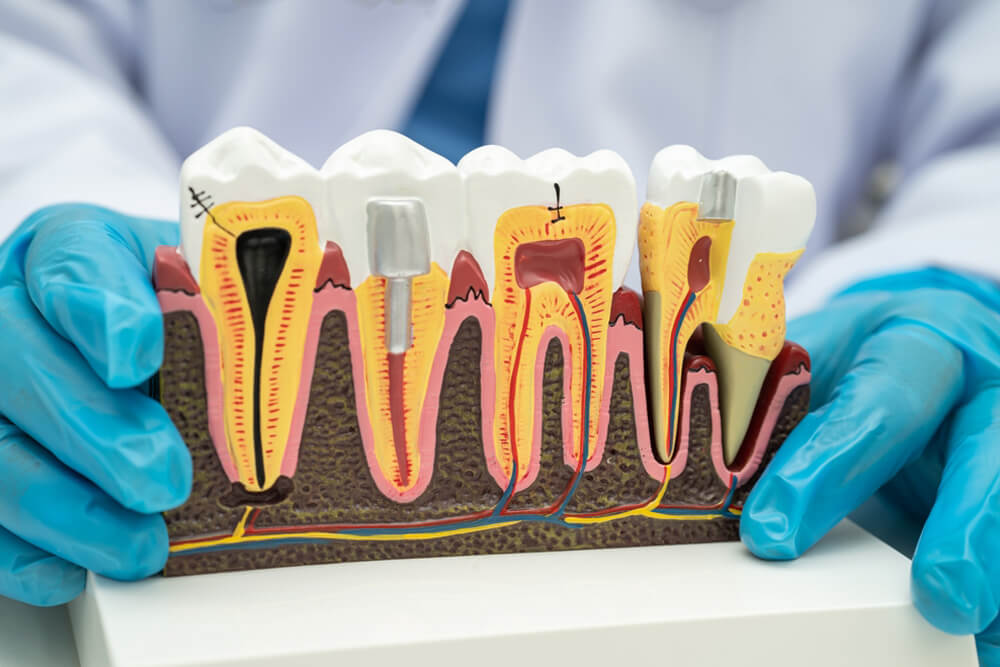
A root canal becomes necessary when the inner pulp of a tooth becomes infected or inflamed due to deep decay, repeated dental procedures, cracks, or trauma. When left untreated, this infection can lead to severe pain, abscess formation, and even tooth loss. Understanding the facts behind this treatment helps reduce fear and encourages timely care, which is crucial for maintaining long-term oral health. More information about this procedure can be found here: Root Canal.
What a Root Canal Really Treats
A root canal is designed to remove infected or damaged pulp from inside the tooth while preserving the outer structure. The pulp contains nerves and blood vessels, and when it becomes infected, it can cause significant discomfort, sensitivity, and swelling. One important fact is that the procedure does not “kill” the tooth; instead, it removes the source of infection and allows the tooth to continue functioning normally.
After the infected tissue is removed, the inside of the tooth is carefully cleaned, disinfected, and sealed to prevent further bacterial invasion. This process helps maintain the natural tooth structure, which is always preferable to extraction whenever possible. Many patients are surprised to learn that modern techniques make the procedure comparable to receiving a standard filling in terms of comfort.
- Root canals remove infection, not healthy tooth structure
- The goal is to save the natural tooth whenever possible
- Local anesthesia helps ensure a comfortable experience
- Treatment prevents infection from spreading to surrounding teeth and bone
Understanding these facts helps correct common misconceptions and highlights the importance of seeking care early when symptoms appear.
Common Myths and Misunderstandings
One of the most widespread myths about root canals is that they are extremely painful. In reality, most of the discomfort patients associate with the procedure actually comes from the infection itself, not the treatment. With modern anesthetics and advanced techniques, root canals are typically no more uncomfortable than getting a dental filling.
Another misconception is that tooth extraction is a better alternative. While extraction may sometimes be necessary, preserving the natural tooth is generally preferred because it helps maintain proper chewing function and alignment of surrounding teeth. Replacing a missing tooth often requires more extensive treatment, such as implants or bridges, which can be avoided when a root canal is successful. In cases where restoration is needed after treatment, options like Crowns and Bridges may be used to strengthen and protect the tooth.
Some patients also believe that a root canal-treated tooth is no longer useful, but this is false. Once restored, the tooth can function normally for many years with proper care and maintenance.
Recovery and Aftercare Expectations
Recovery after a root canal is usually straightforward, with most patients returning to normal activities within a day or two. Mild soreness or sensitivity is common and typically manageable with over-the-counter pain relief. This discomfort gradually improves as the surrounding tissues heal.
Proper aftercare is important to ensure long-term success. Patients are encouraged to maintain good oral hygiene, avoid chewing on the treated tooth until it is fully restored, and attend follow-up appointments as recommended. In some cases, a crown may be placed to provide additional strength and protection, especially for back teeth that endure heavy chewing pressure.
It is also important to recognize when symptoms may indicate complications. Persistent pain, swelling, or sensitivity that worsens instead of improving should be evaluated promptly. In urgent situations involving severe pain or infection, care may be needed through Dental Emergencies.
Conclusion
Understanding the facts about root canals helps remove fear and highlights their importance in preserving natural teeth and preventing serious dental complications. With modern techniques, the procedure is safe, effective, and designed to restore oral health with minimal discomfort. BlueJay Family Dental in Council Bluffs, IA, along with Steven Fidone, DDS, is committed to helping patients make informed decisions about their dental care and feel confident in their treatment options.
Resources
Ingle, J. I., & Bakland, L. K. (2019). Endodontics. PMPH USA.
American Association of Endodontists. (2023). Root Canal Treatment Information Guide.
Torabinejad, M., & Walton, R. E. (2015). Endodontics: Principles and Practice. Elsevier.